July 10, 2026 | Education
Summer Stories: Youth Development Program, Week 2
Temperatures cooled allowing teams to dig into weeding.
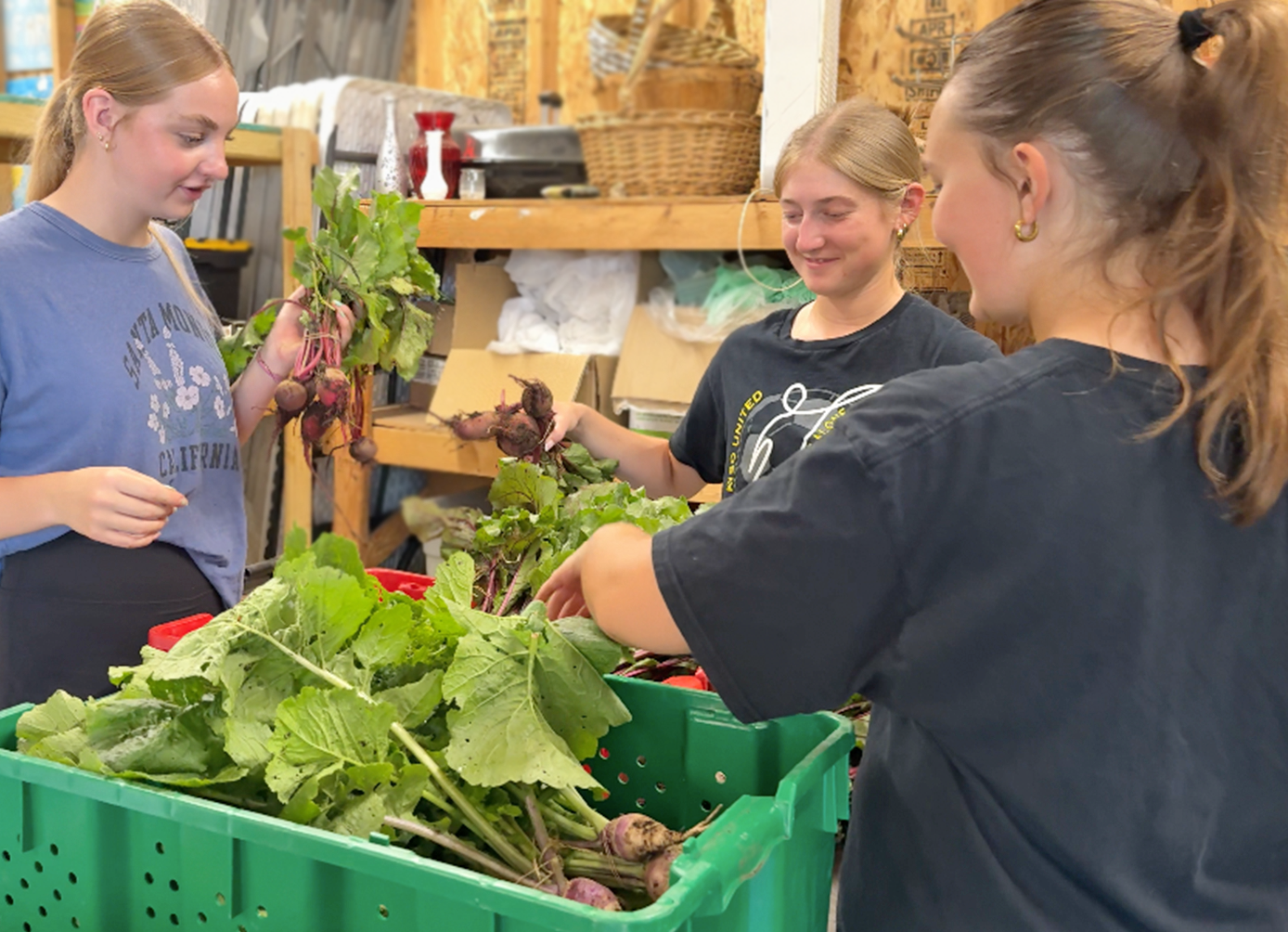
The Youth Development Program is a paid opportunity for high-school-age students to develop and hone various skills in preparation for life beyond the classroom. The summer session is called the Seed Crew, and is 8 weeks of working, learning, and connecting as a team.
It’s wonderful how the mid-80s feel comfortable compared to the week we had prior, so we tackled a number of heavy weeding tasks to begin the week.
MONDAY
Teams worked together to clear plots to prepare them for replanting and as basic maintenance for our long-season crops. We did a workshop on environmental justice and explored ways the issue impacts society and our food system.
TUESDAY
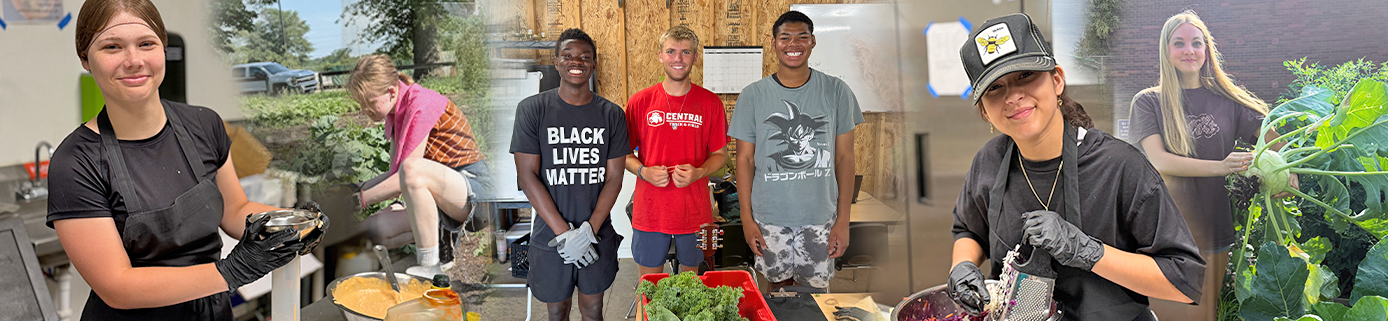
On Tuesday we began with a large quantity of harvesting for the CSA and Farm Stand Thursday. Beans and peas are never-ending this time of year. We also had our first crew go to Groundswell to support operations. They made salad dressing, coleslaw, chili for the Corner Store, and prepped fruit for catering. Our workshop focused on traditional land-based connections, which gave students the opportunity to both research practices and share things from their lives.
WEDNESDAY
On Wednesday one group went to Cedar River Academy to weed, harvest excess for the Corner Store’s free produce section, and re-seed a few sections of their raised beds. Another crew went to Groundswell for more food prep, and the remaining crews harvested for the farm. At the end of the day, we spent the day brainstorming possible topics for our summer-end presentation. We then created teams, drafted plans, and worked through some of the logistics of their projects.
THURSDAY
We ended the week by wrapping up the weeding and harvesting projects, and a crew went to Groundswell to bake focaccia bread and turnovers. After lunch we did a plant biology workshop. We dissected ditch lilies and walked through the parts of flowers to show how pollination works. We also took a look at the parts of plants and seeds and the role each one plays. If we know more about the plants we are growing, we can be more successful at cultivating resilient, abundant crops.